
Do Braces Cause Soreness? The Short Answer
Getting braces put on doesn’t cause any discomfort. The appointment itself involves no shots, no drilling, and no numbing. Your orthodontist simply bonds brackets to your teeth and threads a wire through them. Most patients describe the visit as easy, even relaxing.
The soreness starts later. About 3 to 4 hours after placement, your teeth begin responding to the gentle pressure of the wire, and you’ll notice a dull ache when you bite down. Most of our patient family at Adirondack Orthodontics rates the tenderness a 3 to 5 out of 10 during peak days, describing it as pressure or achiness rather than anything sharp.
The good news is this feeling is temporary, and simple remedies handle it well. Within a week, your mouth adjusts and life returns to normal. Each day gets a little easier than the one before, so the first few days are usually the toughest stretch you’ll face.

Day-by-Day Braces Soreness Timeline: What to Expect
Wondering what each day will feel like? Here’s a realistic breakdown of the first few weeks with braces, plus what to expect at monthly adjustments.
| Timeframe | What You’ll Feel | Intensity (1-10) |
|---|---|---|
| Day 1 (placement) | No discomfort during appointment; pressure builds 3-4 hours later | 1-3 |
| Days 2-3 | Peak soreness; teeth tender when chewing | 3-5 |
| Days 4-7 | Steady improvement; softer foods still preferred | 2-3 |
| Week 2-3 | Teeth feel normal; adapted to hardware | 0-1 |
| Monthly adjustments | 1-3 days of mild soreness | 2-4 |
| Removal day | Quick and easy | 0-1 |
Day 1: The Calm Before the Pressure
Installation is smooth. You’ll leave the office feeling fine, maybe a bit aware of the new hardware on your teeth. A few hours in, expect a dull ache to build as your teeth begin their shift.
Days 2-3: The Peak
This is when most of our patient family feels the strongest sensations. Chewing anything firm feels tender, and your cheeks may need time to get used to the brackets. Stick with soft foods and stay ahead of the soreness with over-the-counter relief.
Days 4-7: Steady Relief
By day four, you’ll notice real improvement. Many people are back to eating regular meals by the end of the first week, with only minor tenderness left behind.
Week 2 and Beyond
Your mouth adapts quickly. Brackets stop feeling foreign, and teeth no longer ache. From here, you’ll only notice mild soreness after monthly adjustments, and it’s always less intense than day one.
Removal Day
Taking braces off is quick and virtually sensation-free. Then you’ll get to see your new smile in the mirror for the first time.
How to Relieve Braces Soreness: Proven Methods
Managing tenderness during the first week (and after each adjustment) is straightforward. Most of our patient family finds real relief by combining a few of these approaches.
- Take OTC relievers before your appointment. Taking Tylenol, Advil, or ibuprofen about an hour before placement can significantly reduce that first wave of soreness. Continue every 4 to 6 hours for the first 2 to 3 days, following label directions.
- Use orthodontic wax generously. If a bracket rubs against your cheek or lip, pinch off a small piece of wax and press it over the bracket. This creates a smooth barrier while your mouth toughens up. We’ll send you home with plenty.
- Rinse with warm saltwater. Mix a teaspoon of salt into a cup of warm water and swish 2 to 3 times daily. It soothes irritated tissue and helps small sores heal faster.
- Stock up on braces-friendly soft foods. For the first few days, lean on:
- Yogurt and smoothies
- Mashed potatoes
- Scrambled eggs
- Pasta and soft noodles
- Soup and broth
- Oatmeal
- Applesauce
- Ice cream (a fan favorite)
- Try cold foods and drinks. Ice water, popsicles, and chilled smoothies naturally numb sore areas while providing calories that don’t require chewing.
- Massage your gums. Gently rubbing your gums with a clean finger can improve circulation and ease that dull, pressed feeling.
- Skip the crunchy, sticky, and chewy stuff. Popcorn, hard bagels, gummy candy, and raw carrots make sore teeth feel worse and can damage brackets. Give them a break for a week.
Braces vs. Invisalign: Which Feels More Comfortable?
Both options move teeth using controlled pressure, so both cause some soreness. The type and rhythm of that tenderness differs, though. Here’s an honest comparison:
| Option | How It Feels | Frequency of Soreness |
|---|---|---|
| Metal braces | Constant gentle pressure; occasional bracket irritation | Peak after each monthly adjustment |
| Clear braces | Same feel as metal; blends with teeth | Same as metal braces |
| Self-ligating braces | Reduced friction, often gentler adjustments | Slightly less intense monthly |
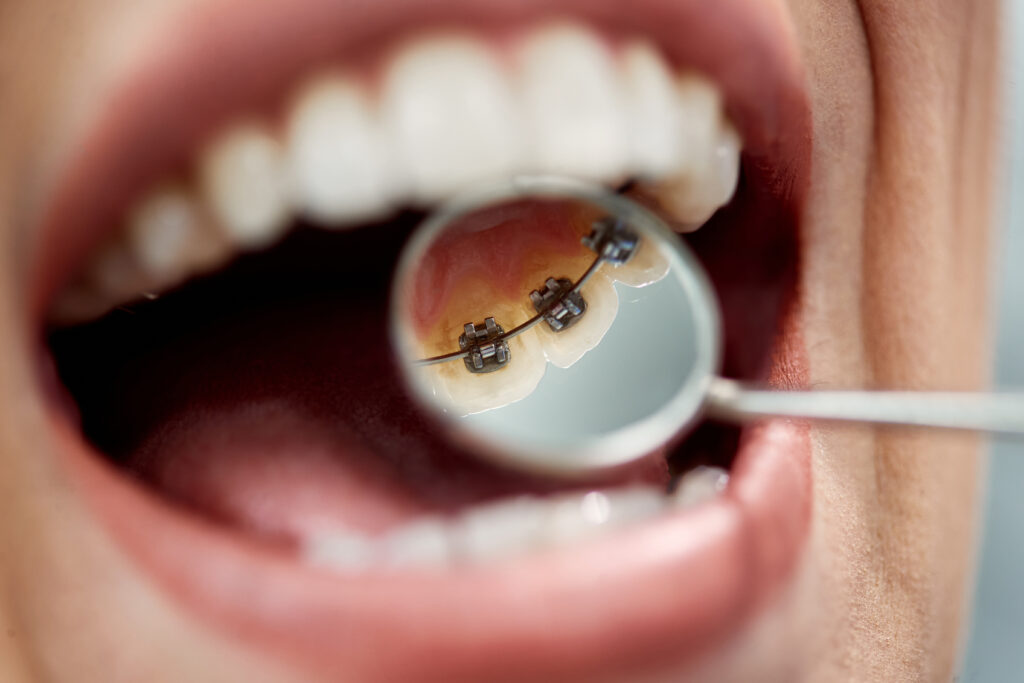
| Lingual braces | More tongue irritation early on | Adjustment soreness plus tongue tenderness |
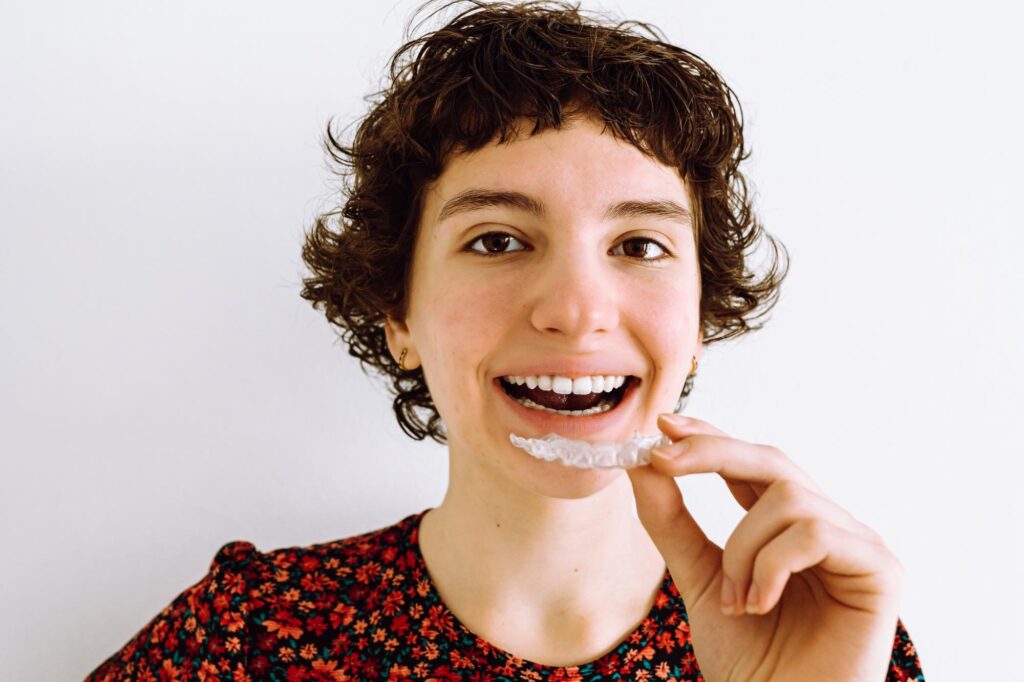
| Invisalign | Pressure with each new aligner, no wires or brackets | Every 1 to 2 weeks (new tray) |
Metal braces apply consistent pressure between visits, with the biggest soreness happening after adjustments. Invisalign spreads that pressure into shorter, more frequent waves as you switch trays. Neither is dramatically more comfortable than the other, and most people adapt quickly to whichever option they choose. Both deliver great results when the treatment plan is right for you.
As a Sapphire Invisalign Provider in the top 1% of Invisalign providers nationwide, Adirondack Orthodontics offers both. During your free consult, we’ll walk through which option fits your goals, lifestyle, and comfort preferences best.
What Affects How Sore Braces Feel?
Not everyone experiences braces the same way. Several factors influence how much soreness you’ll feel and how long it lasts:
- Personal tolerance for discomfort. This varies widely. Two people with identical treatment plans can have very different experiences.
- How much your teeth need to move. More crowding or bigger gaps mean more pressure at the start, which can translate to more tenderness.
- The type of appliance. Metal, clear, self-ligating, and lingual types of braces each feel slightly different against the mouth.
- Age. Adult teeth sit in denser bone, so adults wearing braces sometimes report longer adjustment periods than teens. The end result is just as good, though.
- Extra components. Elastics, power chains, and expanders add pressure and can extend the sore days after an adjustment.
When to Call Your Orthodontist: Red Flags
Most soreness is completely normal and resolves on its own. But a few situations do warrant a call. Reach out to Adirondack Orthodontics if you notice:

- ✅ Severe soreness that lasts longer than 7 days after placement or an adjustment
- ✅ A wire poking your cheek or gums that wax can’t cover
- ✅ A loose or broken bracket
- ✅ Discomfort strong enough to prevent sleep despite OTC medication
- ✅ Mouth sores that won’t heal with wax and saltwater rinses
- ✅ Anything that just doesn’t feel right
Our team is here for you between visits. A quick call or message often solves the issue the same day, and small repairs are almost always fast and simple. You’re never on your own during treatment with us.
Frequently Asked Questions About Braces Soreness
What is the most uncomfortable day of braces?
For many, day 2 or day 3 after placement is the most tender. That’s when teeth are actively responding to the wire’s pressure and biting down feels sore. By day 4, things improve noticeably, and by the end of the first week, most people feel close to normal again.
How sore are braces on a scale of 1 to 10?
Most of our patient family rates braces soreness between 3 and 5 out of 10 during peak days. It’s better described as pressure, tenderness, or an achy feeling rather than anything sharp. Over-the-counter medication and soft foods keep it very manageable.
Is day 2 of braces the worst?
Often, yes. Day 2 and day 3 tend to be the peak of the adjustment period as teeth begin shifting in earnest. The soreness is temporary, and following simple relief tips (OTC reliever, soft foods, saltwater rinses) gets you through it comfortably.
What are the 5 stages of braces treatment?
The five general stages are: (1) your free consult and treatment planning, (2) bonding and placement of your braces, (3) active alignment as teeth begin shifting, (4) detailing and fine-tuning your bite, and (5) removal followed by our Smile Protection Program to keep your new smile in place.
How long are braces sore after tightening?
Tenderness after an adjustment typically lasts 1 to 3 days and is milder than the initial placement. Taking an OTC reliever before your appointment and sticking with softer foods for a day or two makes adjustments barely noticeable for most people.
My braces are so sore I can’t sleep. What do I do?
First, take an OTC reliever like ibuprofen (following label directions) and rinse with warm saltwater. Cover any sharp brackets with orthodontic wax and try a cold compress on the outside of your cheek. If severe soreness keeps you awake for more than one night or doesn’t respond to these steps, call Adirondack Orthodontics. We’ll help right away.
Braces are a short adjustment for a lifetime of confidence. If you’re thinking about starting treatment in the Capital Region, our team of experienced orthodontists at Adirondack Orthodontics would love to meet you. Schedule your free consult today to explore your options, including complimentary x-rays, a free orthodontic evaluation and a 3D scan. Love your smile, love your experience!