Looking for Lingual Braces in Albany, NY?
For patients who want to straighten their teeth without anyone knowing, lingual braces are the most discreet fixed option available. They sit behind your teeth, completely out of view, while working with the same proven mechanics as traditional braces. Adirondack Orthodontics offers lingual braces across our six Capital Region offices, giving you a hidden path to a straighter smile.
What Are Lingual Braces?
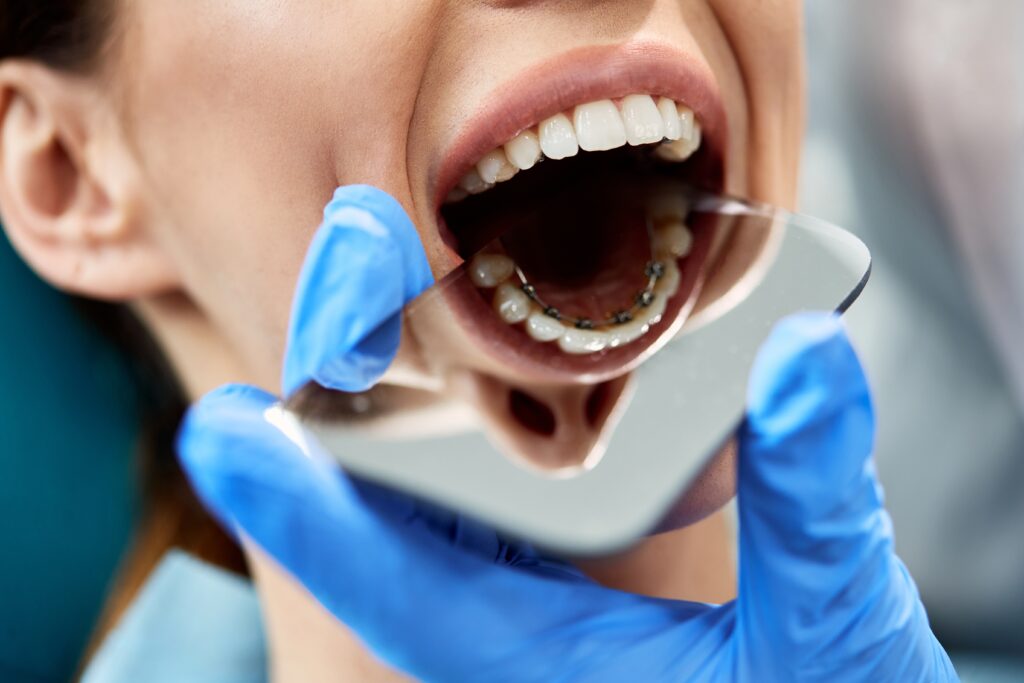
Lingual braces are fixed braces bonded to the back of your teeth, on the tongue side. From the front, your smile looks completely untreated, which is what makes them "invisible" in a way that even clear options cannot fully match. Each bracket is custom-made to fit the unique shape of your teeth, so the hardware sits comfortably and moves your teeth with precision.
They rely on the same principle as any fixed braces: brackets connected by an archwire apply gentle, steady pressure that guides your teeth into place over time. The difference is simply where that hardware lives, tucked behind the teeth instead of across the front.
How Lingual Braces Work
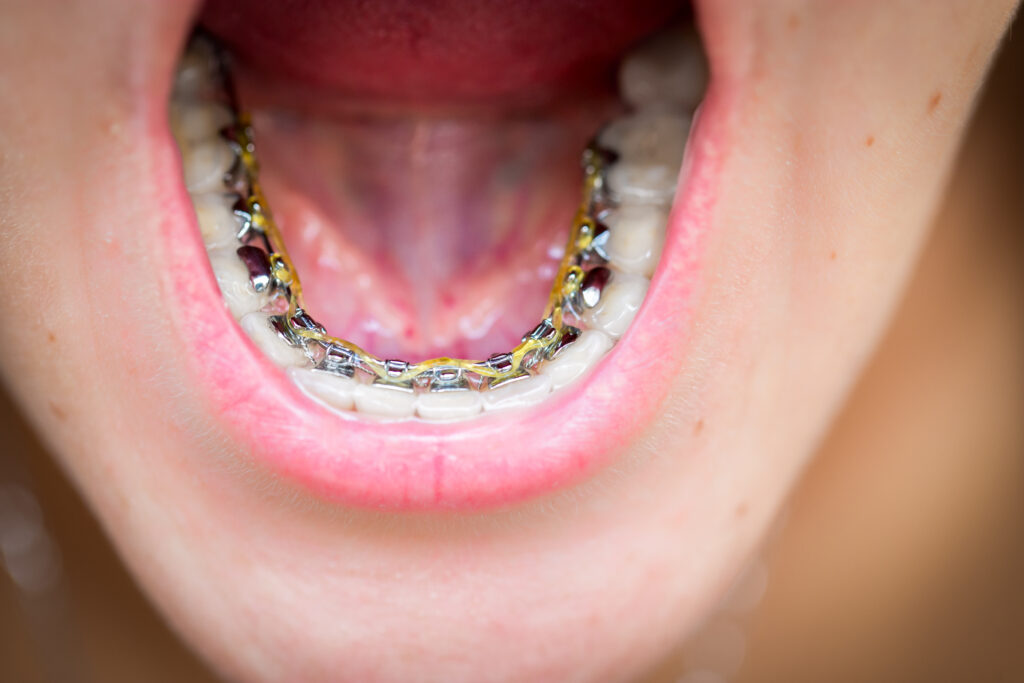
Treatment begins with digital scans of your teeth, which are used to fabricate a set of brackets customized to your exact anatomy. Your orthodontist bonds those brackets to the back surfaces of your teeth and connects them with an archwire. At regular visits, the wire is adjusted to keep your teeth moving steadily toward their final positions, the same rhythm of check-ups you would have with traditional braces.
Because the brackets are fully customized to each patient, lingual braces allow for precise, controlled tooth movement, and they can handle many of the more complex cases that removable aligners are not always suited to.

Benefits of Lingual Braces
The biggest advantage is obvious: no one can tell you are in treatment. That makes lingual braces a favorite among adults in client-facing professions, performers, and anyone who wants the reliability of fixed braces without visible hardware. Beyond the aesthetics, they offer the full corrective power of fixed treatment, the custom brackets are tailored to your teeth, and there are no aligners to remember to wear because the braces are always working.
See If Lingual Braces Are Right for You
The only way to know whether lingual braces fit your case is a professional evaluation. Adirondack Orthodontics has six offices across the Capital Region, and your first visit is always free. Schedule your free consultation and we will walk through your options together.
What to Expect With Lingual Braces
There is a short adjustment period with lingual braces. Because the brackets sit against your tongue, most patients notice them for the first week or two, and speech can feel slightly different at first before quickly returning to normal as your tongue adapts. Keeping the braces clean takes a little practice since the hardware is on the back of the teeth, and your team will show you exactly how to care for them.
From there, treatment follows a familiar path. Most patients wear braces for roughly 12 to 24 months depending on the complexity of their case, and once active treatment finishes, retainers protect your new smile for the long term. Throughout the process, our team is available for adjustments and questions from your first visit to your last.

Lingual Braces vs. Other Options
Lingual braces are one of several ways to straighten your teeth, and the right choice depends on your goals. If you want a removable option you can take out to eat and clean, Invisalign may be the better fit. If you are comfortable with fixed braces that are subtle but still on the front of the teeth, clear braces are worth a look. To see all of these side by side, our guide to the types of braces breaks down how each option compares.
Are Lingual Braces Right for You?
Lingual braces are a great fit for patients who want completely hidden treatment and are willing to work through a brief adjustment period. They suit many cases well, though not every case, which is why an evaluation matters. Our board-certified orthodontists will assess your teeth and bite, talk through your goals, and let you know whether lingual braces are the best route to your new smile or whether another option would serve you better.
Frequently Asked Questions About Lingual Braces
What are lingual braces?
Lingual braces are fixed braces bonded to the back of your teeth, on the tongue side, so they are completely hidden from view. Each bracket is custom-made for your teeth, and they use the same brackets-and-archwire mechanics as traditional braces to guide your teeth into place.
Do lingual braces affect your speech?
There is usually a short adjustment period. Because the brackets sit against your tongue, you may notice a slight change in speech for the first week or two, but this typically resolves quickly as your tongue adapts to the braces.
How long do lingual braces take?
Most patients wear lingual braces for roughly 12 to 24 months, similar to traditional braces. Your exact timeline depends on how complex your case is and how closely you follow your orthodontist's guidance. You will get a personalized estimate at your consultation.
Are lingual braces more expensive than regular braces?
Because the brackets are fully customized to your teeth, lingual braces can involve a different fee than standard braces. The best way to understand your investment is a free consultation, where your orthodontist reviews your case and gives you an exact, all-in figure along with financing options.
Who is a good candidate for lingual braces?
Lingual braces are a strong fit for patients who want completely invisible treatment and are comfortable with fixed braces. They suit many cases well, but not all, so the surest way to know is an evaluation with one of our board-certified orthodontists at any of our six Capital Region offices.
Ready for a straighter smile no one can see? Find out whether lingual braces are right for you at your free consultation. Book your visit at any of our six Capital Region offices and take the first step today.