Looking for Phase 1 Treatment in Albany, NY?
Some orthodontic problems are easier to correct while a child is still growing. Early treatment, often called Phase I, takes advantage of that growth to guide the jaw and make room for adult teeth, sometimes preventing more involved treatment later. Adirondack Orthodontics evaluates children for early treatment across all six of our Capital Region offices, and only recommends it when a child will truly benefit.
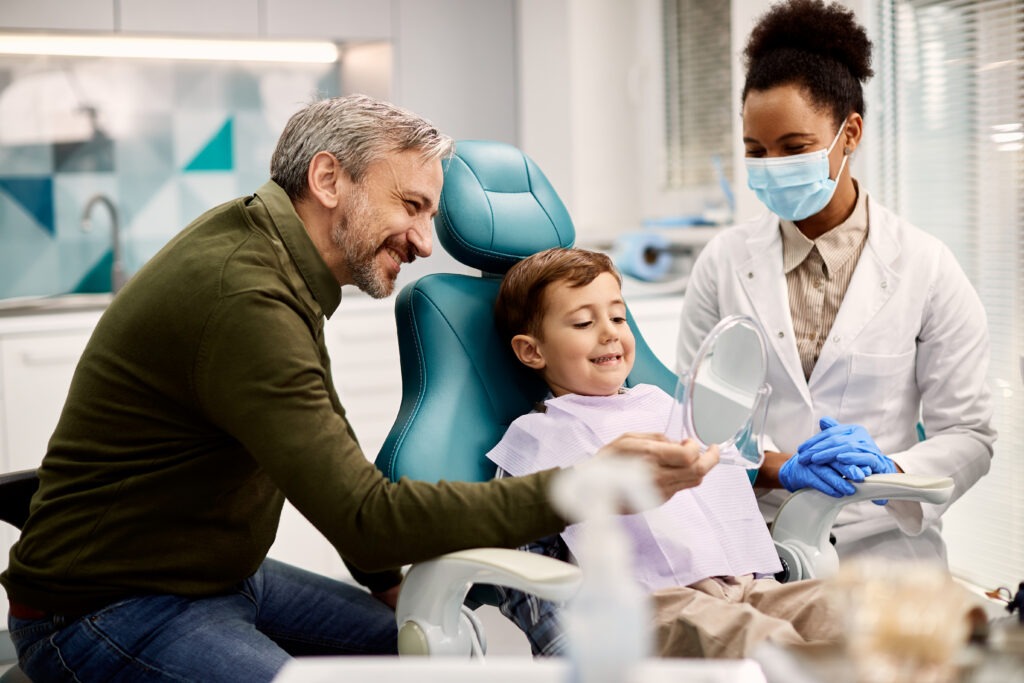
What Is Phase I (Early) Treatment?
Phase I treatment is a short course of orthodontic care that takes place while a child still has a mix of baby and adult teeth, usually between ages 6 and 10. Rather than straightening every tooth, its goal is to correct specific developing problems, guiding jaw growth, creating space, and setting the stage for a healthier bite. If further treatment is needed once all the adult teeth arrive, that later stage is called Phase II.
Why Early Treatment Can Help
Because a child's jaw is still growing, certain issues respond far better to treatment now than they would later. Addressing them early can create room for crowded teeth, reduce the chance of needing extractions down the road, correct harmful habits, and lower the risk of injury to protruding front teeth. In the right cases, a little guidance early makes later treatment shorter and simpler.

Signs Your Child May Benefit
Some signs that an early evaluation is worthwhile include losing baby teeth very early or very late, difficulty chewing or biting, a jaw that shifts or makes sounds, front teeth that stick out or do not meet properly, crowding that is already visible, or thumb-sucking that continued past age five. Only an orthodontist can determine whether early treatment is actually needed, which is why an evaluation matters.
When Should My Child Be Evaluated?
The American Association of Orthodontists recommends a first orthodontic check-up by age 7. By then, enough adult teeth have come in for our orthodontists to spot developing problems while there is still time to guide them. In most cases no early treatment is needed and we simply monitor your child's growth, at no cost, until the right time. For more on children's orthodontics generally, see our braces for kids page.
Schedule an Early Evaluation
The best way to know whether early treatment could help your child is a free evaluation. Adirondack Orthodontics has six offices across the Capital Region. Book your child's free consultation and we will give you an honest read on where things stand.

An Honest Approach to Early Treatment
Early treatment is not right for every child, and we will never recommend it unless it offers a real benefit. When it can help, acting at the right moment can make a meaningful difference in your child's long-term results. When it is better to wait, we will tell you that too, and simply keep an eye on your child's development until the timing is right.
Frequently Asked Questions About Early Treatment
What is Phase I treatment?
Phase I, or early treatment, is a short course of orthodontic care while a child still has a mix of baby and adult teeth, usually between ages 6 and 10. It corrects specific developing problems by guiding jaw growth and creating space, rather than straightening every tooth.
At what age should early treatment start?
When early treatment is needed, it usually takes place between ages 6 and 10, while the jaw is still developing. The American Association of Orthodontists recommends a first check-up by age 7 so any need can be identified at the right time.
Does every child need early treatment?
No. Most children do not need Phase I treatment, and in many cases we simply monitor growth until all the adult teeth arrive. Early treatment is only recommended when a child would genuinely benefit from it.
Will my child still need braces later?
Sometimes. Early treatment addresses specific issues now, and some children still need a later phase of braces once all their adult teeth come in. When that is the case, the early work often makes the later stage shorter and more straightforward.
Not sure if it is time? An early evaluation gives you a clear, honest answer. Book a free consultation at any of our six Capital Region offices today.